A happy cat is a well-fed predator: meeting basic needs
Discover how to satisfy your cat’s core instincts through proper hunting play, cardboard puzzles, and stress-relief activities. This article will help you make your pet confident, calm, and truly happy.
By Evgeniya VoitovaPublished
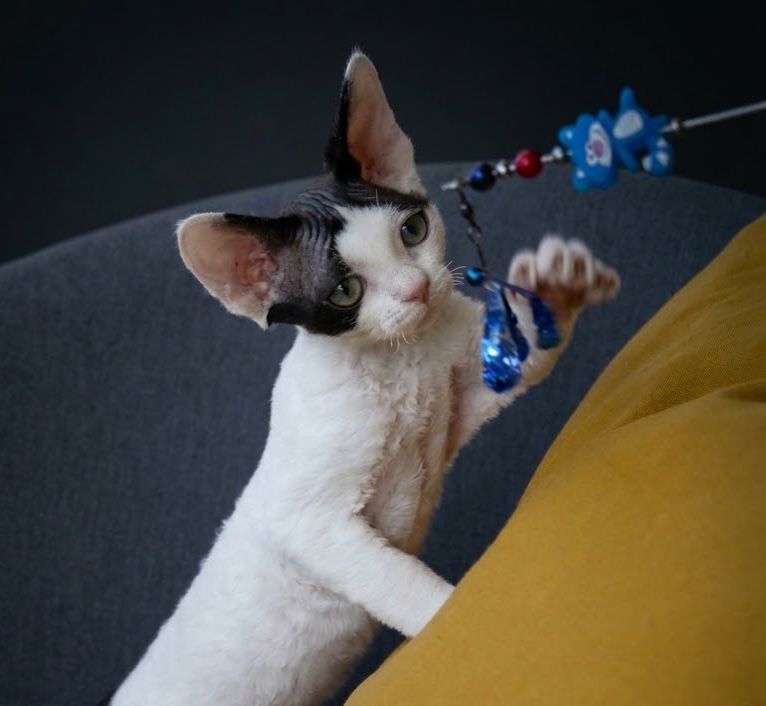
🧸 The perfect arsenal: choosing cat toys wisely (and satisfying every instinct)
We’ve already established that a domestic cat is a mighty hunter in miniature. If you simply buy the first toy mouse you see at the pet store and toss it onto the rug, your cat will quickly lose interest. A toy should do more than entertain—it should meet your cat’s key natural needs: hunting, mental stimulation, coping (stress relief), and physical activity.
Let’s put together a checklist of the ideal toys your cat truly needs and explore how to choose them.
Category 1: Hunting Toys (Wand and Teaser Toys)
Hunting is the main source of a cat’s self-confidence. The best toy for this is one you control, mimicking the movements of live prey.
- The ideal choice: A wand toy with “prey” at the end.
- What to look for: The attachment should be replaceable (feathers, natural fur, or ribbons that resemble a bird’s wings). It’s a great bonus if you can discreetly tie a small piece of dried treat to the attachment.
- Safety rule: Avoid cheap plastic wands with protruding fishing line that could injure your cat’s eyes. The cord or rod should be long enough for you to play safely while keeping your hands away from your cat’s paws.
Category 2: Interactive Toys and Puzzles (Mental Stimulation)
It's essential for cats to use their brains to figure out how to get food. This is the best way to prevent boredom, destructive behavior, and excess weight.
- Ideal choice: Treat-dispensing balls and toys with openings for treats (often sold in dog sections, but great for cats too).
- Ideal choice: Interactive mazes and puzzle boards. Your cat has to use a paw to fish out the dry food.
- Budget-friendly favorite: Cardboard boxes and tubes. Make your own: wrap a treat in paper or hide it inside a toilet paper tube, plugging the ends with crumpled paper. Your cat will love tearing through the cardboard to get to the “meat.”
Category 3: Stress-Relief and Coping Toys (For Calming)
When a cat is overstimulated, scared, or bored, they need acceptable ways to burn off energy without damaging the furniture.
- The ideal choice: Lick mats. Spread Greek yogurt, pâté, or puréed meat on them. Repetitive licking is a powerful natural stress reliever.
- Ideal choice: Silvervine sticks or high-quality catnip or dried meat chews. They’re safe to gnaw on and rub their teeth against.
- Ideal choice: Snuffle mats or a DIY foraging box (a box filled with crumpled paper and dry food).
Category 4: Active Toys for Independent Play
Something your cat can play with when you're not home.
- Ideal choice: Lightweight balls with rattles inside or furry mice filled with catnip.
- Important: Avoid toys with small parts (beads, glued-on eyes, or feathers that can easily come off and be swallowed). All parts should be securely stitched or fused in place.
💡 Checklist: how to check a toy before buying it?
- Material safety: Does it have a strong chemical smell? Natural materials (wood, paper, cotton, felt, natural fur) are always preferable.
- Durability: A cat’s claws and teeth are a force to be reckoned with. A toy shouldn’t tear into small, dangerous pieces at the very first bite.
- Size: The toy should not be small enough for your cat to accidentally swallow it (for example, foam balls are off-limits if your cat chews on them).
The golden rule of the perfect play session
Remember this principle of animal psychology: every hunting game should end with “catching the prey” and eating. If you’ve been playing with a wand toy for 10 minutes, always finish by letting your cat catch the “mouse” and eat the treat hidden inside. Only then will your cat’s brain receive the message: “I’m a successful hunter, and I’m safe.”